The Standard Operation Procedure for Wheel Balancers
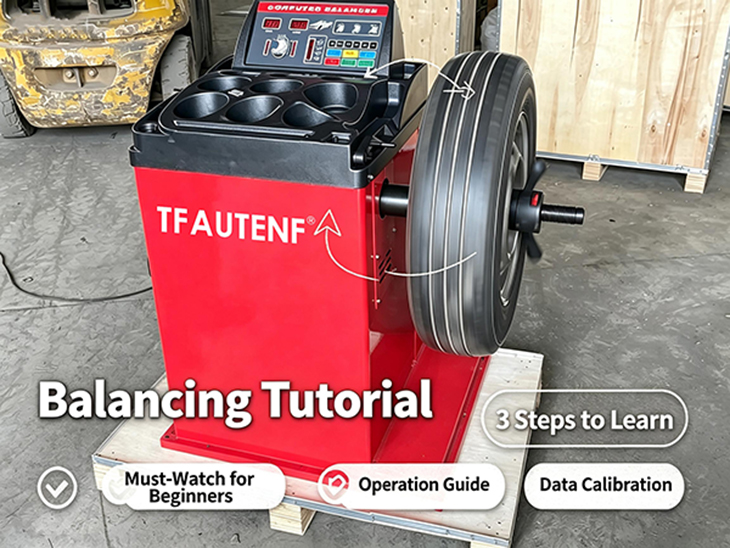
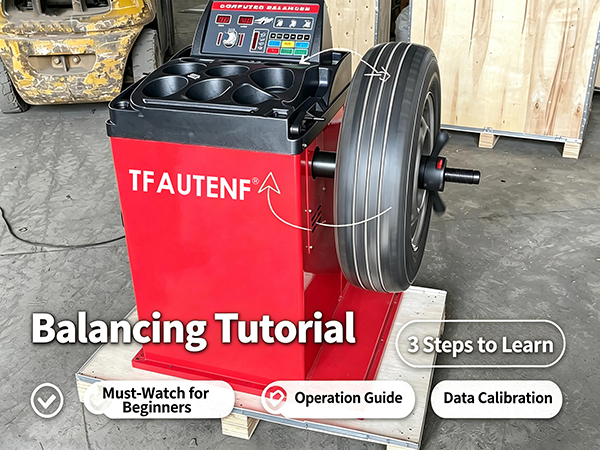
In automotive repair, wheel balancing is a critical procedure to ensure vehicle stability at high speeds. Precision begins with the details: Before clamping, select the correct centering cone based on the rim’s center bore to guarantee concentricity and prevent runout. After mounting the tire assembly onto the spindle, use the machine’s scale to measure the Distance from the machine to the rim, and input this value into the control panel. This is a frequently overlooked yet vital step that directly impacts measurement accuracy.
Next, correctly input the rim width and diameter. Press the "START" key and wait for the spin cycle to complete. Following the on-screen prompt, rotate the tire to the 12 o'clock position—this is the exact balance point. Select the appropriate weight as indicated and install it on the inner or outer side of the rim. When you restart the machine and see double "00" on the display, the imbalance has been successfully eliminated.
Standardizing every step—selecting the cone, measuring the distance, inputting parameters, locating the point, and applying weights—not only prevents rework but also ensures driving safety. Mastering this standard workflow is an essential skill for every professional auto technician.