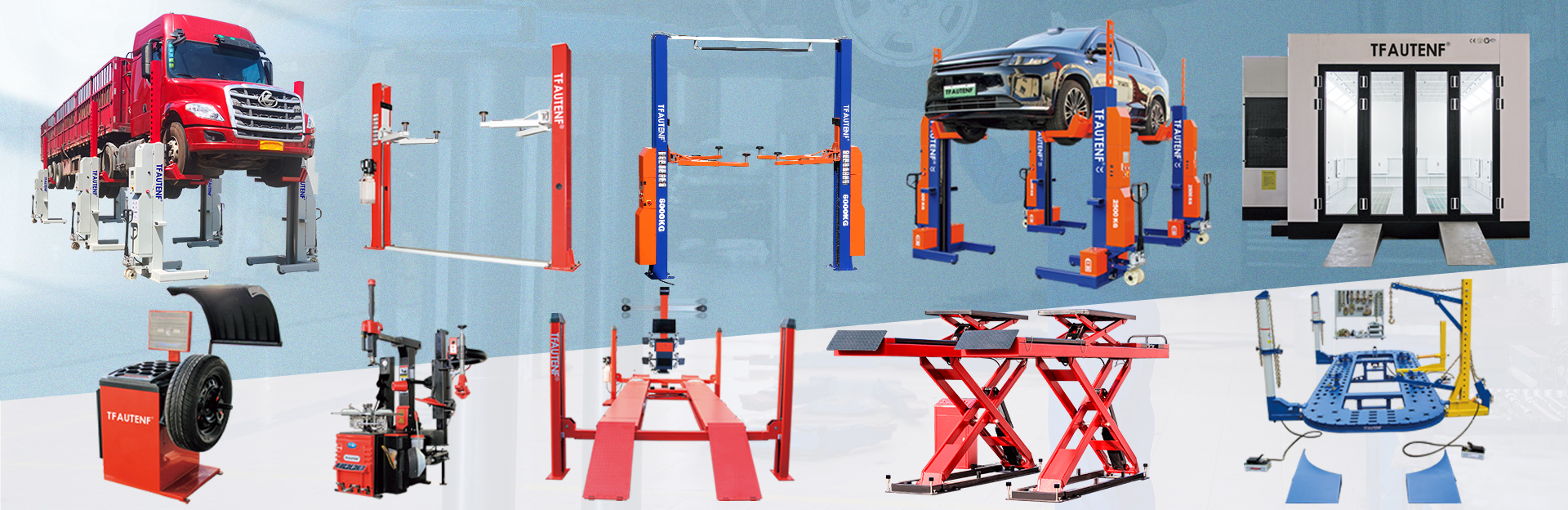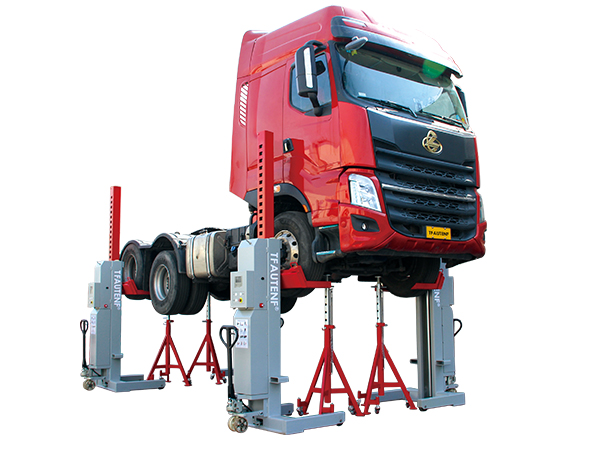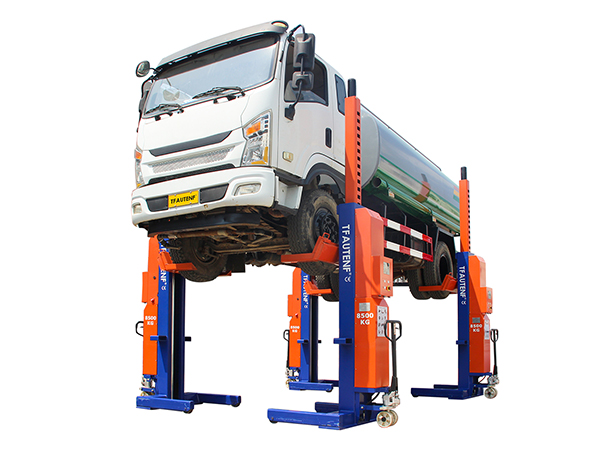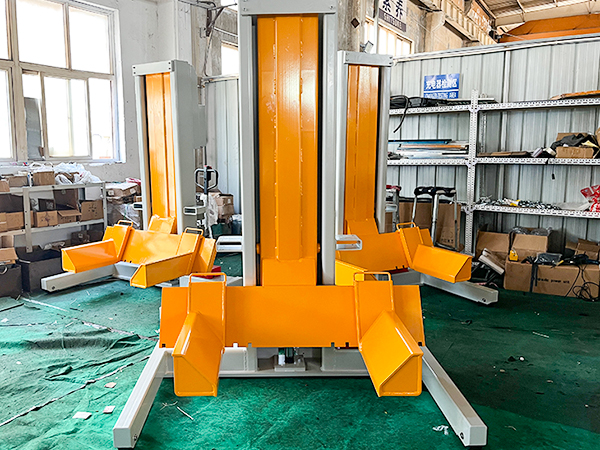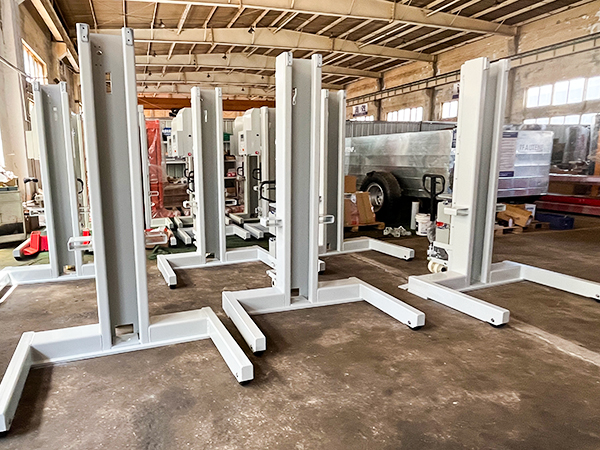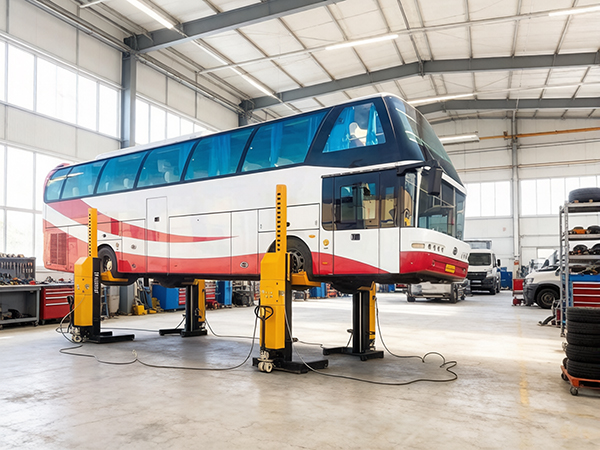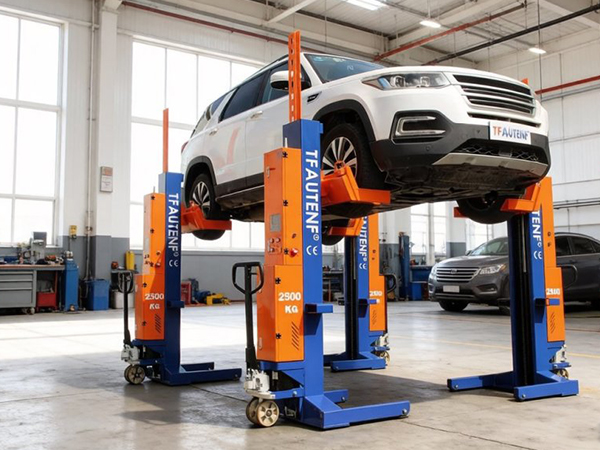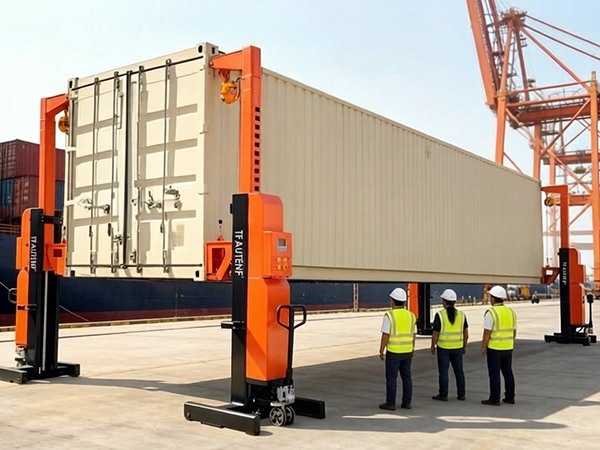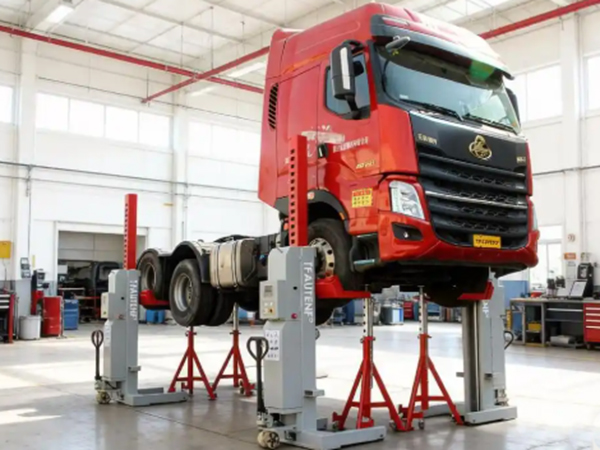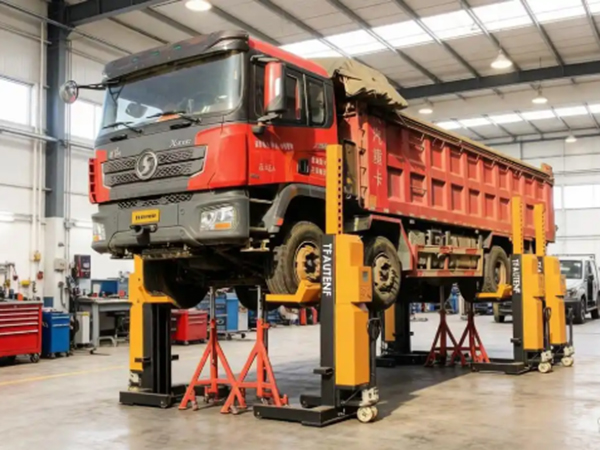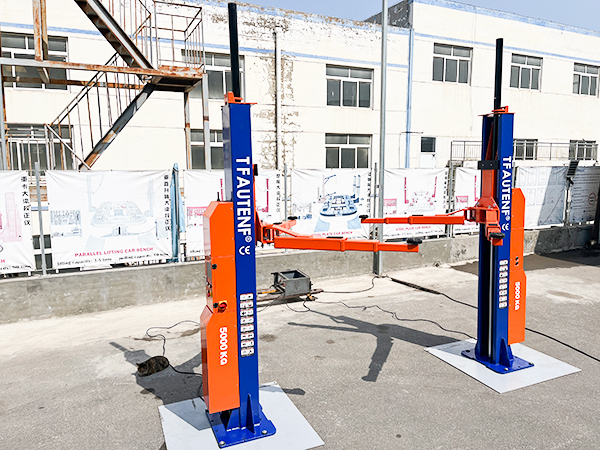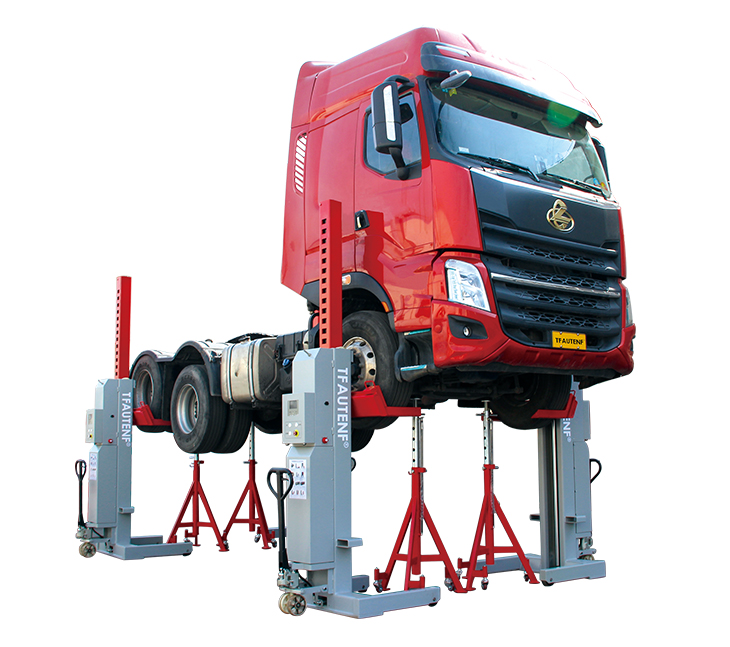
In the realm of heavy-duty truck maintenance—particularly concerning mobile wheel-engaging lifts—the debate between hydraulic and mechanical (screw-driven) systems remains a focal point for industry professionals.
Manufacturers like Yantai Autenf Automobile Services Co., Ltd. primarily excel in hydraulic solutions. These systems are known for their smooth lifting motion, substantial power output, and quiet operation. They are particularly well-suited for standard workshops or outdoor hardened sites that meet specific floor flatness requirements. While the initial procurement cost typically falls within the mid-to-high range, these systems generally offer straightforward long-term maintenance.
Conversely, some peers specializing in mechanical (screw-driven) lift equipment emphasize structural self-locking capabilities and the absence of hydraulic leakage risks. Their long-term wear-and-tear maintenance costs are significantly lower, making them ideal for high-frequency, fixed-site scenarios such as bus depots.
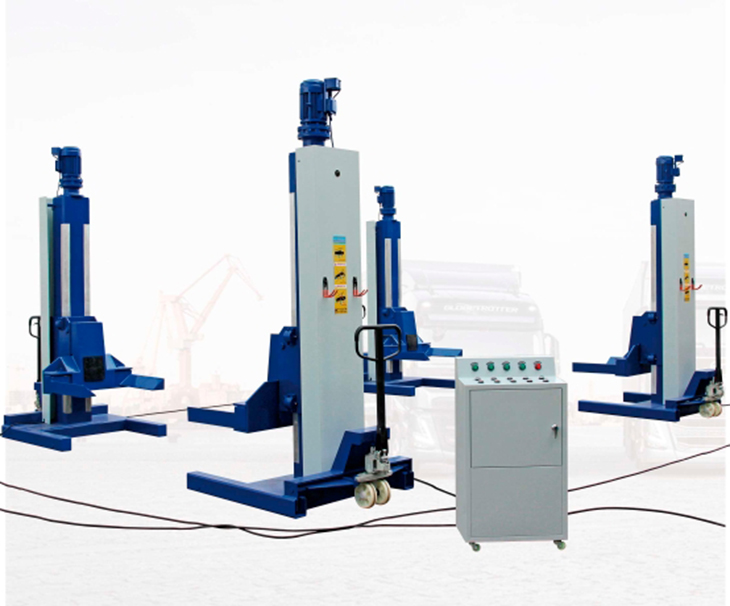
There is no absolute superiority between the two: Hydraulic models excel in user experience and mobility (contingent on ground conditions), whereas mechanical models win on extreme durability and cost-effectiveness. Procurement decisions should align with specific budget constraints and operational environments—small workshops, in particular, must carefully evaluate the initial investment to select the right "heavy-duty" equipment.