Why Are Modern Heavy-Duty Truck Repair Shops Increasingly Choosing Tire-Hugger Lifts?
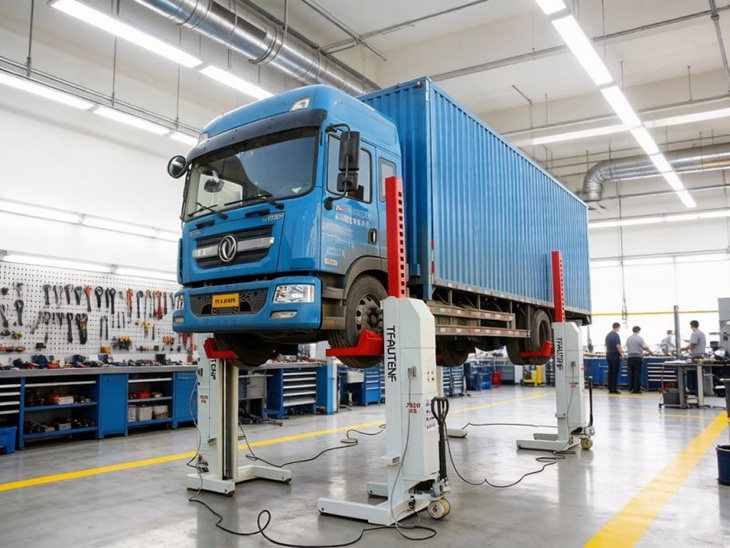
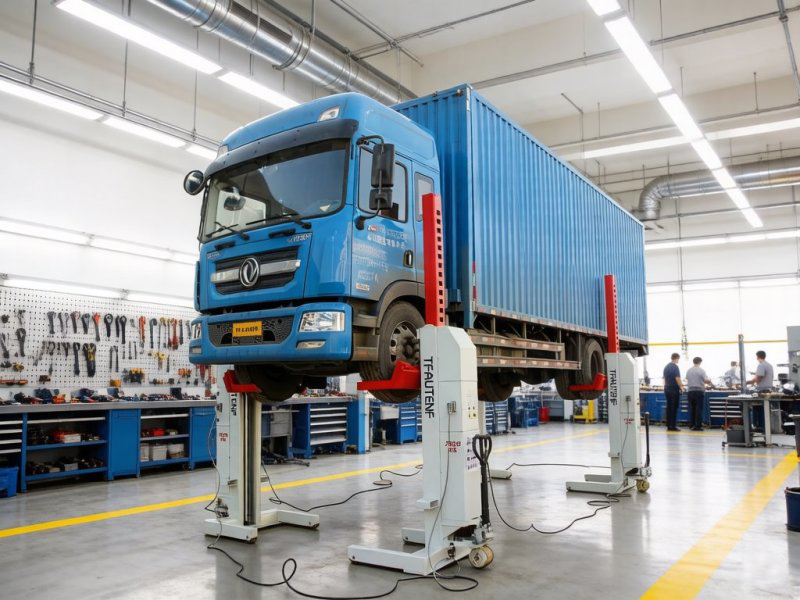
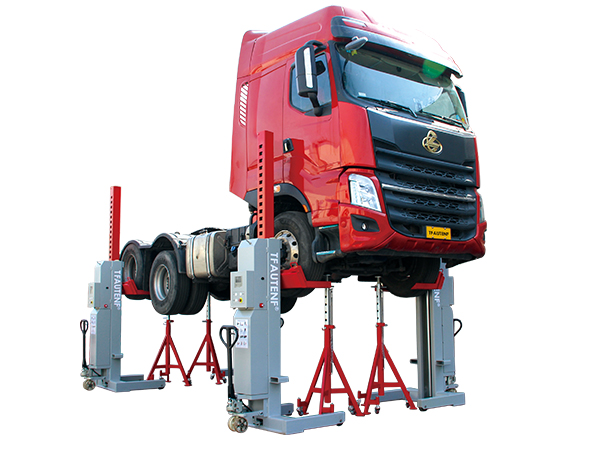
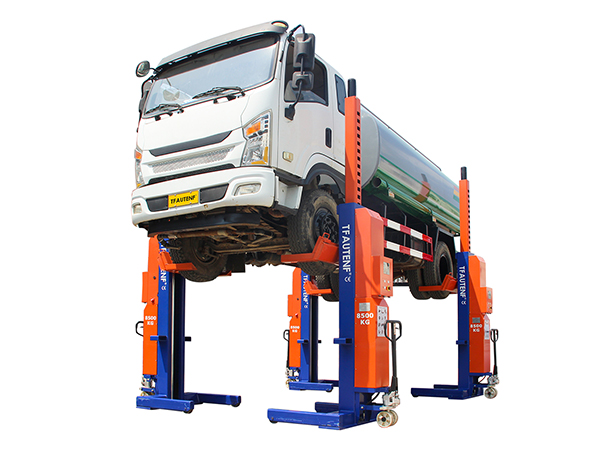
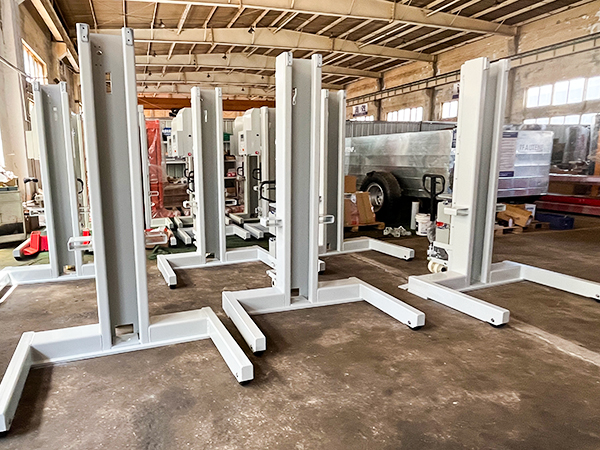
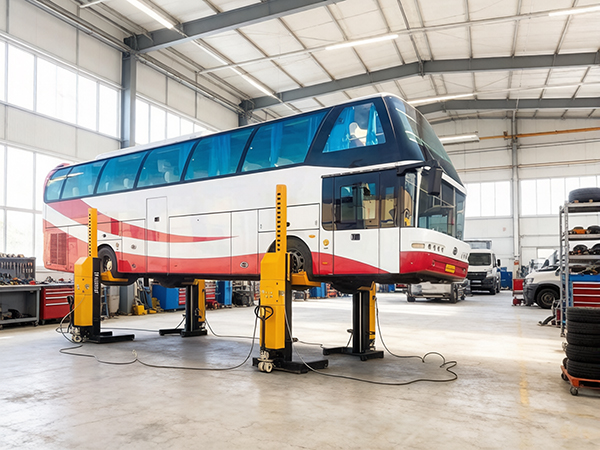
Compared to traditional service pits or chassis jacking methods, tire-hugger (column-type) heavy-duty truck lifts are becoming the preferred choice for professional repair shops. Their core advantages lie in three key areas:
1. Enhanced Safety Protection
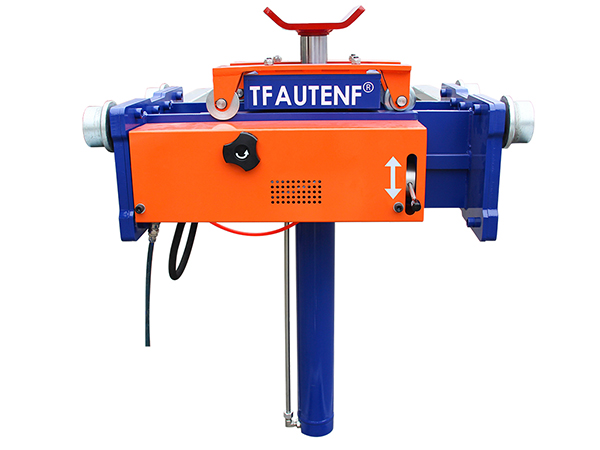
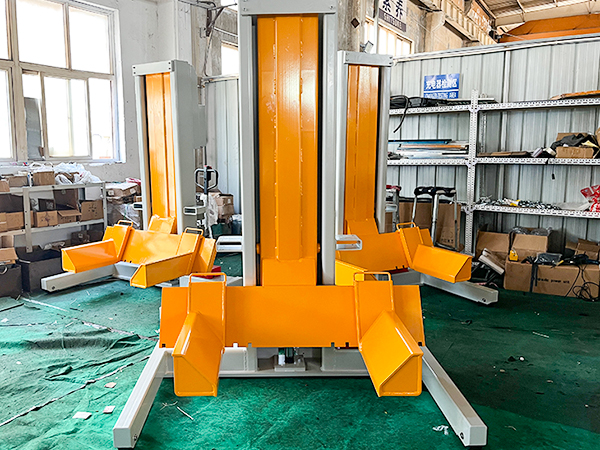
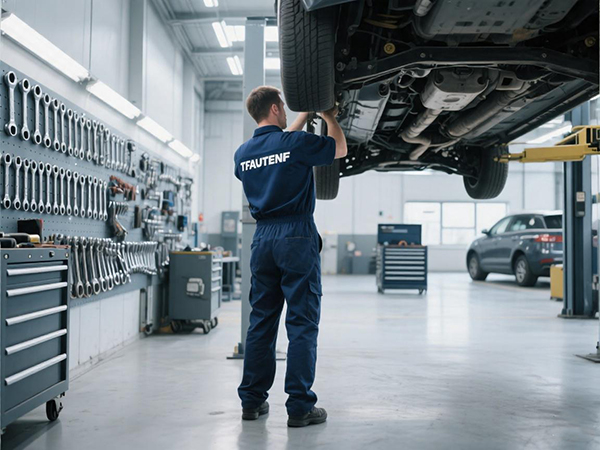
Tire-hugger lifts secure the vehicle by clamping and lifting the tires, avoiding contact with the chassis, frame, and battery packs. This design is especially suitable for servicing the three-electric systems (battery, motor, electronic control) of new energy heavy-duty trucks. It fundamentally eliminates the risk of damaging high-voltage components caused by improper lifting, providing a higher level of safety for maintenance operations.
2. Significantly Improved Work Efficiency
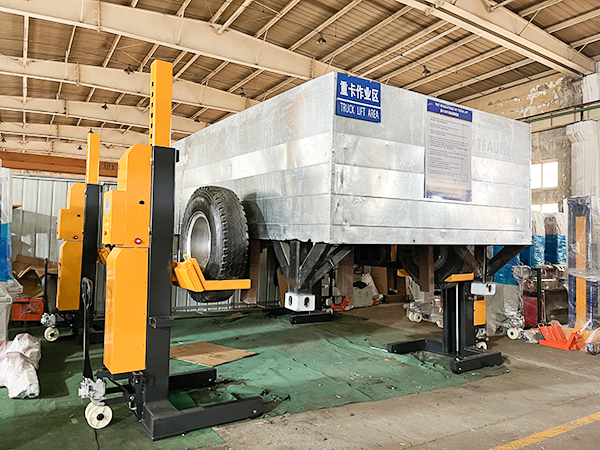
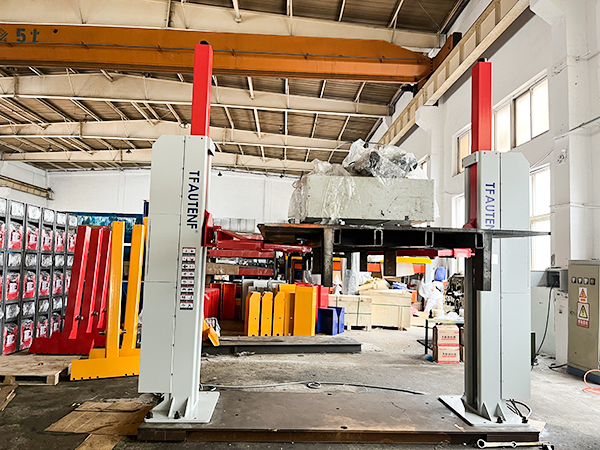
Multi-column wireless synchronized lifting systems enable single-person operation. The vehicle is evenly supported and lifts smoothly without repeated adjustments. Compared to traditional pit-based repairs, technicians gain more open under-chassis workspace, significantly reducing maintenance time.
3. Strong Site Adaptability
Foundation-free mobile designs require no excavation of service pits or pouring of concrete foundations. Equipment can be flexibly moved between different workstations, reducing site renovation costs. This is particularly practical for urban repair shops with limited space or logistics fleets requiring multi-point operations.
Purchasing Advice: When selecting equipment, focus on synchronization control accuracy, mechanical locking safety levels, applicable load capacity ranges, and the manufacturer's after-sales response capabilities. It is recommended to request technical proposals from multiple suppliers based on your actual vehicle types and site conditions before making a decision.