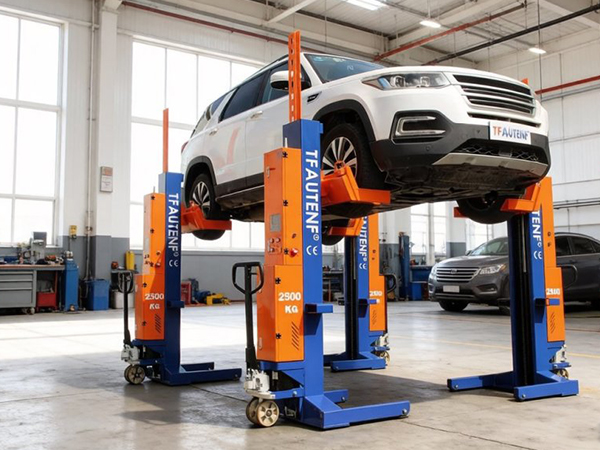
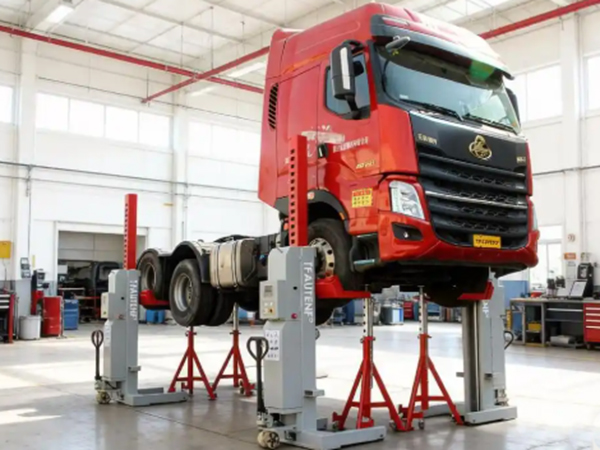
The Safety Revolution in Heavy-Duty Truck Lifts: From "Experience-Dependent" to "Process-Driven"
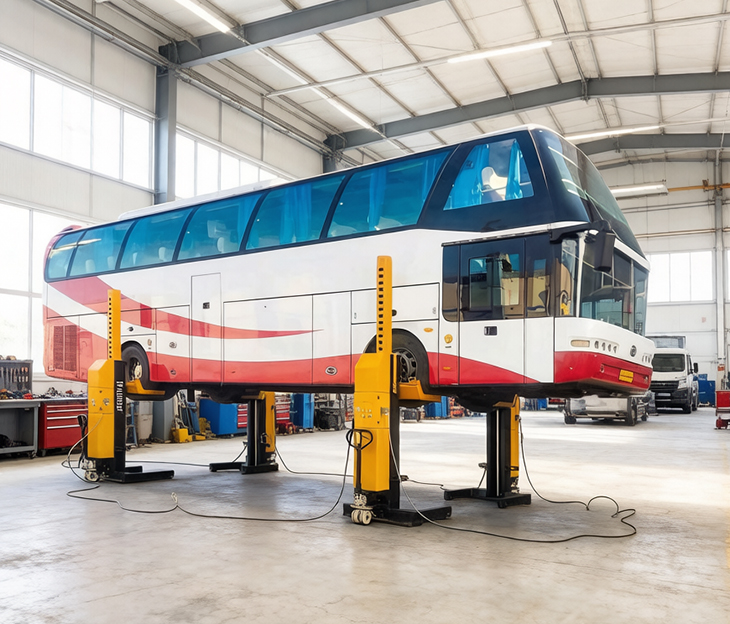
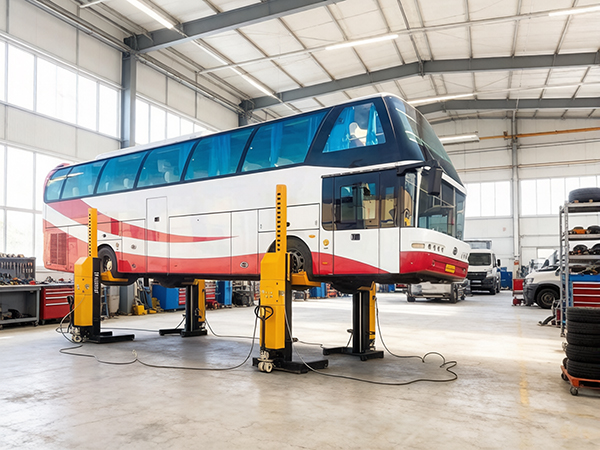
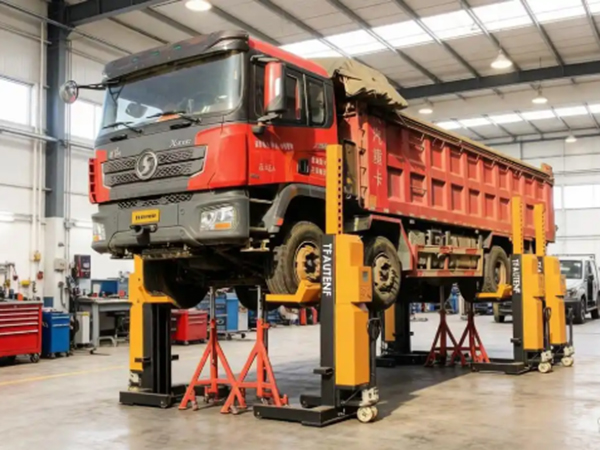
In the field of heavy-duty truck maintenance, the safety core of lifting equipment is undergoing a quiet transformation. Traditional operating modes heavily rely on the personal experience of operators, while modern repair shops are building more reliable safety defenses through
standardized processes and
systematic inspections.
Standardized Operating Checklists: From "Human Defense" to "System Defense"
We recommend placing bilingual "Safety Inspection Checklists" (in both Chinese and English) beside each heavy-duty lift, covering three key verification steps:
-
Vehicle Status Confirmation: Ensure the parking brake is released, the vehicle is in neutral, and the load is removed;
-
Lift Arm Positioning Check: Align with the manufacturer’s designated lift points and verify contact stability;
-
Workspace Safety Assessment: Clear obstacles in the work area to ensure no interference risks.
Through the "item-by-item verification, dual-person review" mechanism, reliance on individual judgment is transformed into traceable standard actions, providing a unified safety benchmark for multinational fleets and maintenance centers.
Three-Tier Inspection System: Prevention Over Remediation
We advocate a structured inspection regimen:
-
Daily pre-operation basic checks (5 minutes)
-
Weekly mechanical lock function tests (15 minutes)
-
Monthly synchronization accuracy calibration (30 minutes)
Coupled with a digital recording system, this approach has helped multiple international fleets reduce lift-related incidents by 60% while minimizing unexpected equipment downtime.
True safety progress stems from respect for processes. In the global heavy-duty truck maintenance industry, standardized operating systems are becoming the universal language of safety across borders.