How long does an auto-feed brake drum & disc lathe take to pay for itself?
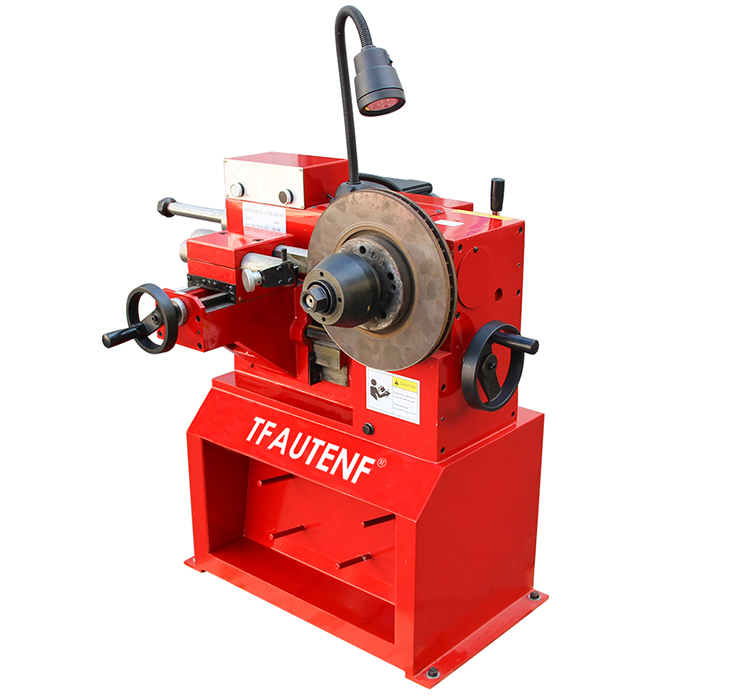
Plenty of shop owners hesitate the first time they see the price of an auto-feed model: the manual one works just fine — so why spend more?
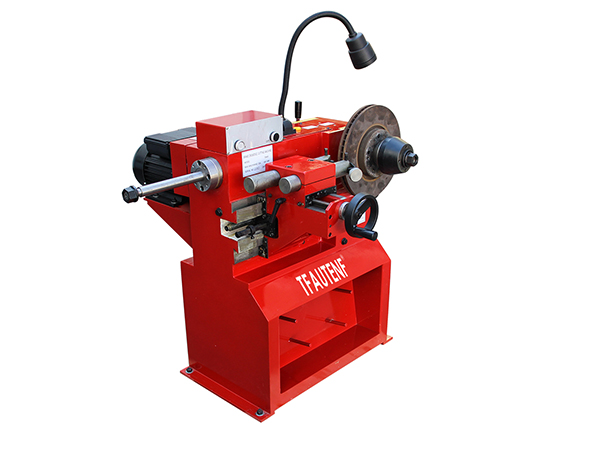
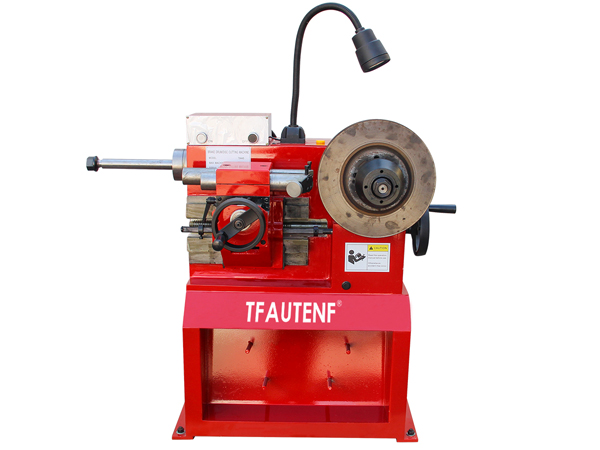
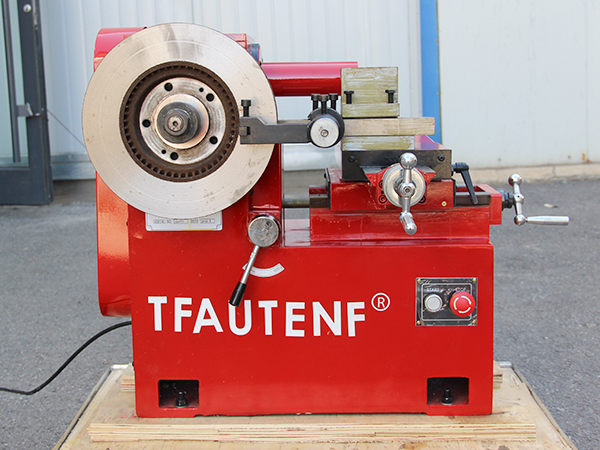
Lay the numbers out, and it starts to make sense. With manual feed, a technician has to stay with the machine the whole time — clamping the workpiece, setting the tool, turning the handwheel for both faces. The moment a job comes in, that bay is tied up and the next car waits in line. With auto-feed, you set the feed rate and the machine takes over at a steady, even pace. The technician is free to take on other work — and the hours saved go straight to the bottom line.
The second line item is rework. Manual feed depends entirely on feel. Uneven surface finish, or a slight difference in cut depth between the two faces, can lead to uneven pad wear and steering-wheel shake under braking. One comeback means wasted labor and, worse, lost trust. Auto-feed turns the job into a repeatable, standardized process — even a newcomer can produce a consistent finish, and the rework rate drops along with it.
The third line item is people. A veteran technician's feel is a scarce resource, and training a newcomer takes time. Lower the skill barrier, and your staffing gets a lot more flexible.
So what you're really paying extra for isn't the word "automatic." It's labor hours, rework rate, and certainty about who can run the job. Run the numbers, and most shops find it's money well spent.